Think through heat, UV, abrasion, stretch, backing, cleanability, seams, bolsters, headliner foam, and panel fit before deciding from a product photo.
Project planning guide
Auto Upholstery Os: what to decide before ordering in Brooklyn, NY
For Brooklyn, the right auto upholstery material choice depends on real use: room light, cleaning, texture, measurements, and how the material behaves on the piece. Start with previewing, then sample the finalists, then confirm yardage.
Real auto upholstery material swatches show color, hand, sheen, and texture in the place the material will actually live.
Check width, repeat, direction, cushion count, lining, seams, and backup choices before buying cut yardage.
Related search themes: upholstery near me, upholstery shop near me, upholstery.
Preview, sample, order
Plan auto upholsteryos with SwatchFLO before you order.
Preview the direction, compare real auto upholstery material swatches, check heat, UV, abrasion, stretch, backing, cleanability, seams, bolsters, headliner foam, and panel fit, and make a better sample or yardage decision before committing.
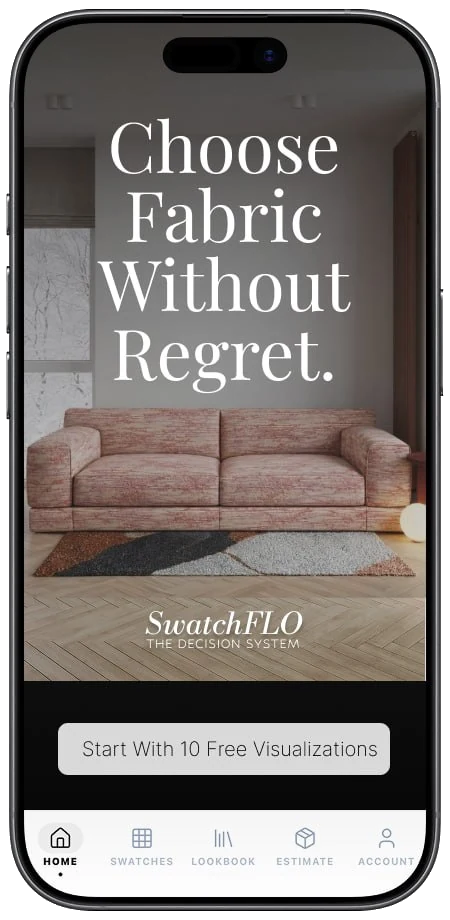
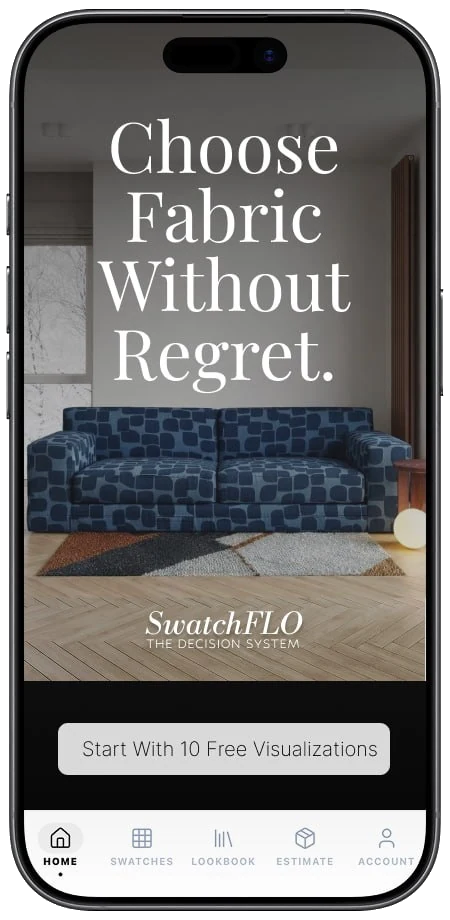
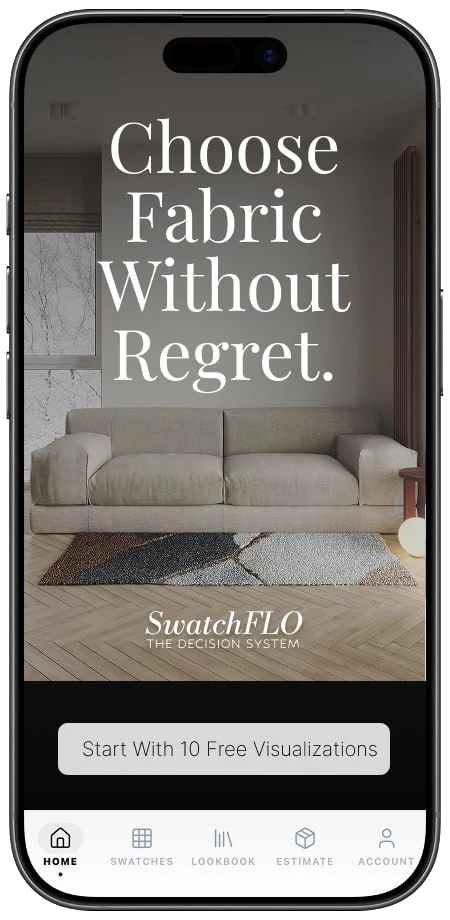













Preview it first
Use SwatchFLO to see upholstery fabric on real furniture before you commit to samples or yardage.
Compare your favorites
Save fabric options, compare color and pattern, and narrow the list before ordering swatches.
Estimate inside the app
When enabled, SwatchFLO can provide a preliminary yardage estimate without adding a separate calculator to this page.
Three checks before choosing material
Three checks before committing to auto upholstery material.
Preview the direction, test real auto upholstery material swatches, and plan measurements or yardage around heat, UV, abrasion, stretch, backing, cleanability, seams, bolsters, headliner foam, and panel fit before buying.
Check the material in context
Product photos cannot show how auto upholstery material behaves in your actual vehicle interior upholstery project. Compare scale, color, texture, and finish before ordering.
Test auto upholstery material swatches before buying
Use real samples to verify hand, sheen, opacity, cleanability, and how the material responds to the light and use case.
Plan yardage, repeats, and backups
Estimate needs early and keep alternate choices ready so stock changes, repeats, or layout issues do not restart the project.
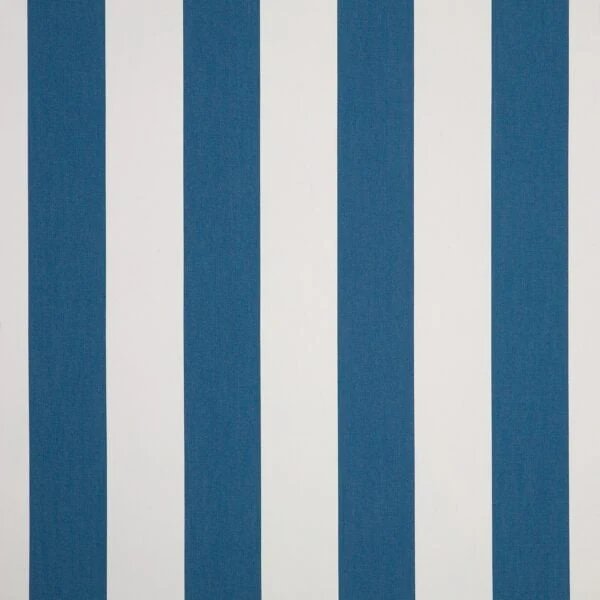
Check comfort, cleaning, and wear
Choose auto upholstery material for the project, not only the color.
The right choice depends on heat, UV, abrasion, stretch, backing, cleanability, seams, bolsters, headliner foam, and panel fit. Use samples and planning notes before committing to cut material.
- Daily-use seating: prioritize abrasion resistance and cleanability.
- Pet homes: test weave texture, snag risk, and hair visibility.
- Sunny rooms: compare swatches near the window before ordering.
- Patterned fabric: plan extra yardage for matching and repeat.
Plan backup choices before you order
Keep backup options ready.
Availability, dye lots, lead times, and project constraints can change. A short list of alternatives keeps the plan moving.
Project planning guide
Why auto upholstery material should be planned before you order.
A strong vehicle interior upholstery project starts with the right material decisions: scale, use, light, measurements, maintenance, samples, and backup choices. Plan those details before buying cut material.
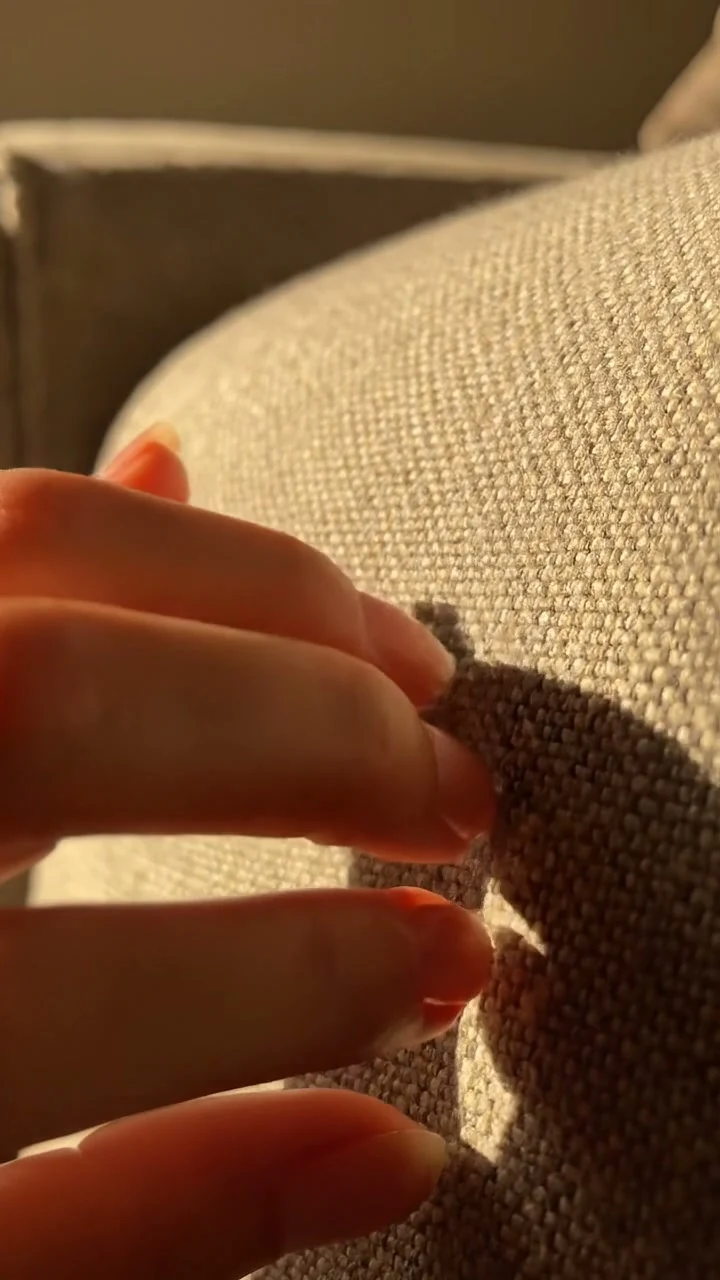
Samples show what screens hide
Real auto upholstery material swatches help you judge color, hand, sheen, texture, and scale before committing.
Project conditions matter
Consider heat, UV, abrasion, stretch, backing, cleanability, seams, bolsters, headliner foam, and panel fit before choosing a material only because it looks right online.
Measurements change the order
Repeats, widths, seams, lining, cushions, panels, and waste can all change how much material is needed.
Backup choices reduce delays
Stock changes, dye lots, and lead times are easier to handle when the shortlist includes alternates.
Preview directions, test auto upholstery material swatches, and confirm yardage before ordering.
Preview fabricsOrder swatches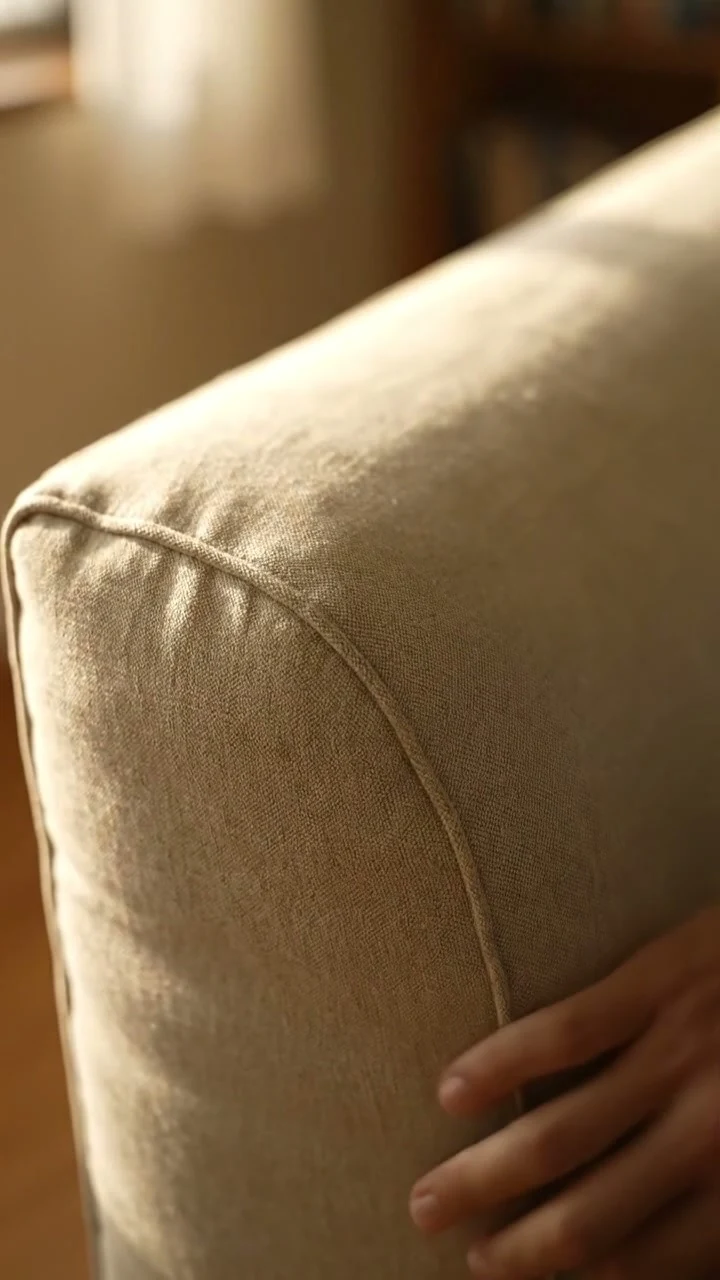
Match fabric to the furniture
Match auto upholstery material to the real project conditions.
Every vehicle interior upholstery project has its own light, surface, use, measurements, and maintenance needs. Choose material around those constraints before buying.
Use local room conditions
Auto Upholstery Material fit for real project conditions.
Start with heat, UV, abrasion, stretch, backing, cleanability, seams, bolsters, headliner foam, and panel fit. Then narrow the materials that deserve samples and a final yardage check.
your area, US
Humid summers
Bright afternoon rooms
Family-room wear
Guidance for your area, USUsing the guide location for room and weather context.
Today’s fabric note
local baseline
Humid + sunny room planning
Room heat, humidity, and window sun change how fabric feels, cleans, and fades. Use this as a quick check before choosing samples.
WarmRoom comfortWarm rooms feel better with breathable weaves.
HigherHumidityMoisture makes cleanability and mildew-aware finishes more important.
ModerateWindow fadeSun can fade darker colors; test swatches beside the actual window.
Using saved your area climate baseline until live weather loads.
Personalize the recommendation
Tell SwatchFLO what the fabric has to survive.
These choices update the room guidance so the fabric advice better matches your project.
Project
Daily use
Light
Recommended starting point
Performance chenille, breathable woven textures, and mid-tone patterns.
For your area family rooms with pets, kids, and bright afternoon light, prioritize cleanability, abrasion resistance, and swatches that are checked in the actual room before yardage.
What to look for when shopping
- High traffic: ask for abrasion testing; everyday upholstery should usually start around 30,000+ Wyzenbeek double rubs, with 40,000+ for family rooms, rentals, pets, or kids.
- Pets + kids: choose tight performance weaves, leather-look vinyl, or washable slipcover fabrics. Avoid loose loops, delicate linen, and high-pile velvet or microfiber that can trap pet hair.
- Coastal glare / bright sun: look for fade resistance, UV-stable or solution-dyed fibers, and indoor/outdoor performance options; test swatches beside the actual window.
- Dining chairs and spills: prioritize tight weaves, stain resistance, and cleaning code W or WS when available.
Preview fabric on your furniture
Preview, sample, then order with a plan.
Use the planning flow to compare options, save finalists, test auto upholstery material swatches, and order material after the choice is confirmed.
Start with 10 free fabric previews

Scan the QR codeOpen SwatchFLO on your phone and preview fabric on furniture before ordering swatches.Scan to try SwatchFLO on your phone
Materials worth sampling for your vehicle interior upholstery project
Compare options by use case, texture, durability, finish, and budget. Sample finalists before committing to yardage.
Why preview first: Fabric can look different on a screen than it does on your furniture. Use this section to compare colors, textures, prices, and pattern scale, then order swatches so you can feel the fabric, check it in your area light, and confirm the right choice before buying yardage.
 Colorguard Red Cent$54.28/yd
Room preview checkPreview first
Compare this option in your room light before ordering a swatch. Exhale Rainwashed 400001 0004$68.40/yd
Room preview checkPreview first
Compare this option in your room light before ordering a swatch.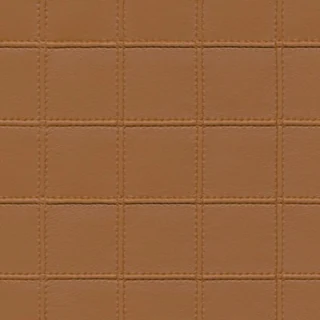 Blocker 84 Terracotta$42.95/yd
Room preview checkPreview first
Compare this option in your room light before ordering a swatch.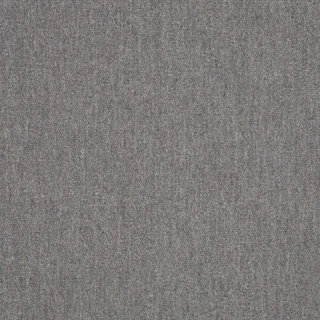 Heritage Slate 18015 0000$59.00/yd
Room preview checkPreview first
Compare this option in your room light before ordering a swatch. Bliss Linen 48135 0001$64.50/yd
Room preview checkPreview first
Compare this option in your room light before ordering a swatch.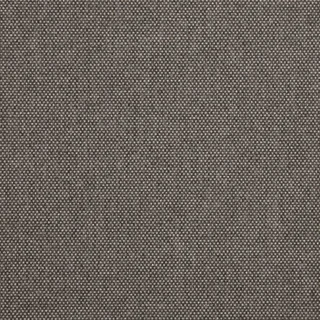 Blend Coal 16001 0008$49.75/yd
Room preview checkPreview first
Compare this option in your room light before ordering a swatch.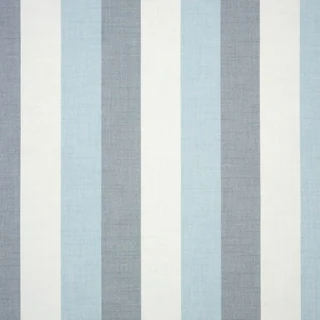 Direction Dew 40599 0002$72.10/yd
Room preview checkPreview first
Compare this option in your room light before ordering a swatch. Glaze Sgl 104 Haze$57.20/yd
Room preview checkPreview first
Compare this option in your room light before ordering a swatch.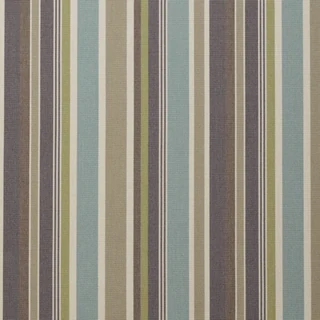 Brannon Whisper 5621 0000$61.35/yd
Room preview checkPreview first
Compare this option in your room light before ordering a swatch.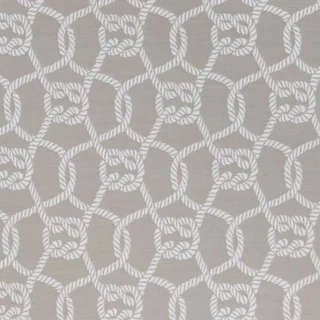 Bar Harbor 91 Pebble$46.80/yd
Room preview checkPreview first
Compare this option in your room light before ordering a swatch. Bozeman 33 Glacier$69.95/yd
Room preview checkPreview first
Compare this option in your room light before ordering a swatch. Allegro Alg 7053 Alabaster$52.00/yd
Room preview checkPreview first
Compare this option in your room light before ordering a swatch.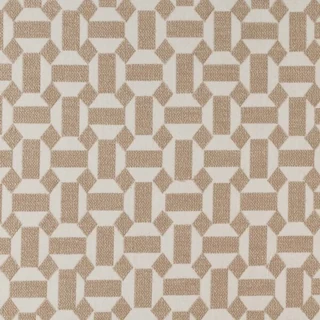 Hoopla 70 Sandcastle$44.60/yd
Room preview checkPreview first
Compare this option in your room light before ordering a swatch.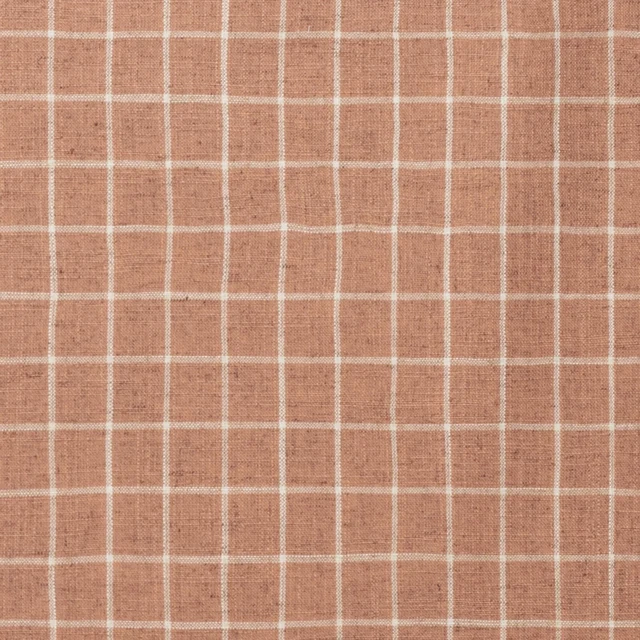 Cottage Check 61 Thistle$58.75/yd
Room preview checkPreview first
Compare this option in your room light before ordering a swatch. Fallon 73 Pomegranate$63.25/yd
Room preview checkPreview first
Compare this option in your room light before ordering a swatch.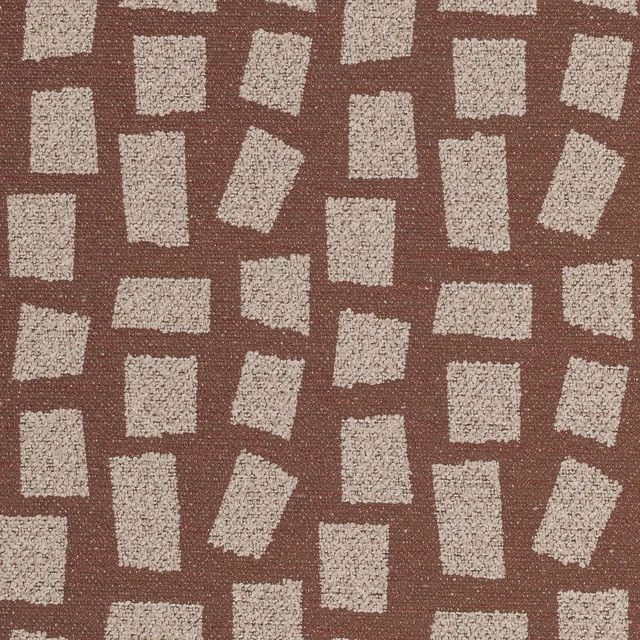 Arcade 32 Kiln$55.90/yd
Room preview checkPreview first
Compare this option in your room light before ordering a swatch.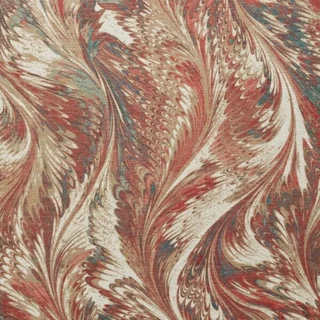 Gianni 71 Phoenix$70.40/yd
Room preview checkPreview first
Compare this option in your room light before ordering a swatch.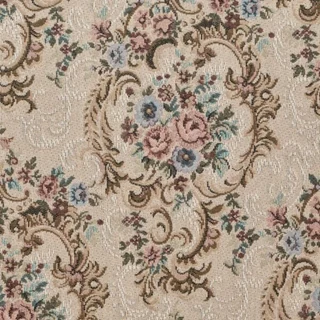 Annie 05 Almond$48.30/yd
Room preview checkPreview first
Compare this option in your room light before ordering a swatch. Gateway Indigo 56102 0000$62.15/yd
Room preview checkPreview first
Compare this option in your room light before ordering a swatch. Grand Sierra Gra 36350000 Cranberry$66.95/yd
Room preview checkPreview first
Compare this option in your room light before ordering a swatch.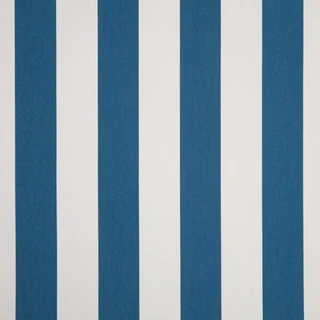 Cabana Regatta 58029 0000$51.50/yd
Room preview checkPreview first
Compare this option in your room light before ordering a swatch.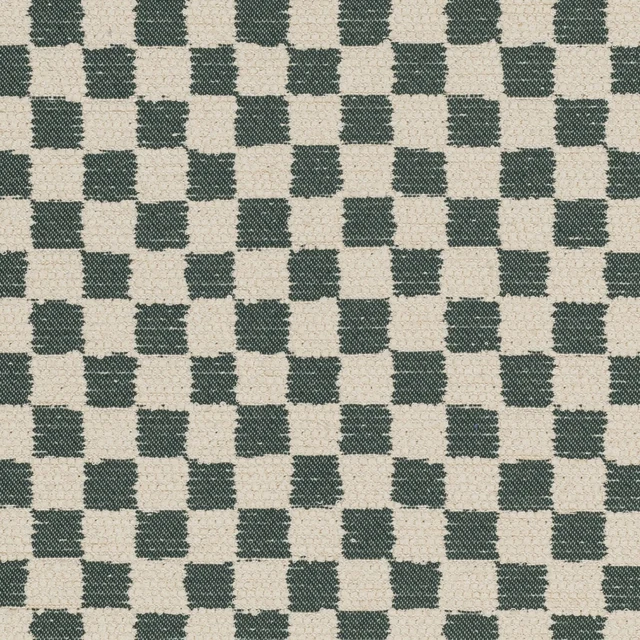 Chessie 76 Rugby Club$73.80/yd
Room preview checkPreview first
Compare this option in your room light before ordering a swatch. Fallon 19 Cliff$56.10/yd
Room preview checkPreview first
Compare this option in your room light before ordering a swatch. Grand Sierra Gra 36349200 Black$60.00/yd
Room preview checkPreview first
Compare this option in your room light before ordering a swatch.Three checks before committing to auto upholstery material.
Preview the direction, test real auto upholstery material swatches, and plan measurements or yardage around heat, UV, abrasion, stretch, backing, cleanability, seams, bolsters, headliner foam, and panel fit before buying.
Buying guidance
Upholstery fabric preview FAQ
Clear answers for previewing fabric, ordering swatches, and using SwatchFLO without treating a screen preview as a final upholstery decision.
Can I use SwatchFLO before ordering upholstery fabric?
Yes. Use SwatchFLO to preview the look first, save a short list, then order physical swatches from Best Upholstery Fabric before buying cut yardage.
Does this replace ordering fabric swatches?
No. The app helps with visual confidence, but swatches still confirm texture, weight, sheen, color shift, and how the fabric feels in your actual room.
Can I estimate yardage in the SwatchFLO app?
Yes. The old way is to leave the fabric page, search for a separate yardage calculator, re-enter furniture details, and still wonder whether the estimate matches the fabric you picked. In the SwatchFLO app, the estimate happens in the same flow where you preview fabric on your furniture, compare options, and plan samples. That gives you a faster preliminary yardage range, keeps the fabric choice and project details together, and saves time before you confirm final yardage with your upholsterer.
Is this a final upholstery quote?
No. Yardage guidance is preliminary. Final yardage can change based on fabric width, repeat, cushion construction, matching, seams, skirt details, and upholsterer preference.
What should I do before ordering upholstery fabric online?
Preview the fabric, order swatches, check them in morning and evening light, review durability and cleaning needs, then confirm yardage before buying cut fabric.
Why use SwatchFLO if I still need swatches?
Because it narrows the visual decision before you spend time and money sampling. You can compare realistic options first, then order only the swatches worth testing in person.
Start Auto Upholstery Os with samples, not guesses.
Preview directions, test real auto upholstery material swatches, confirm measurements and use case, then order only after the material fits the project.
Order swatches